Adjuvanted subunit intranasal vaccine prevents SARS-CoV-2 onward transmission in hamsters.
Adjuvanted subunit intranasal vaccine prevents SARS-CoV-2 onward transmission in hamsters.
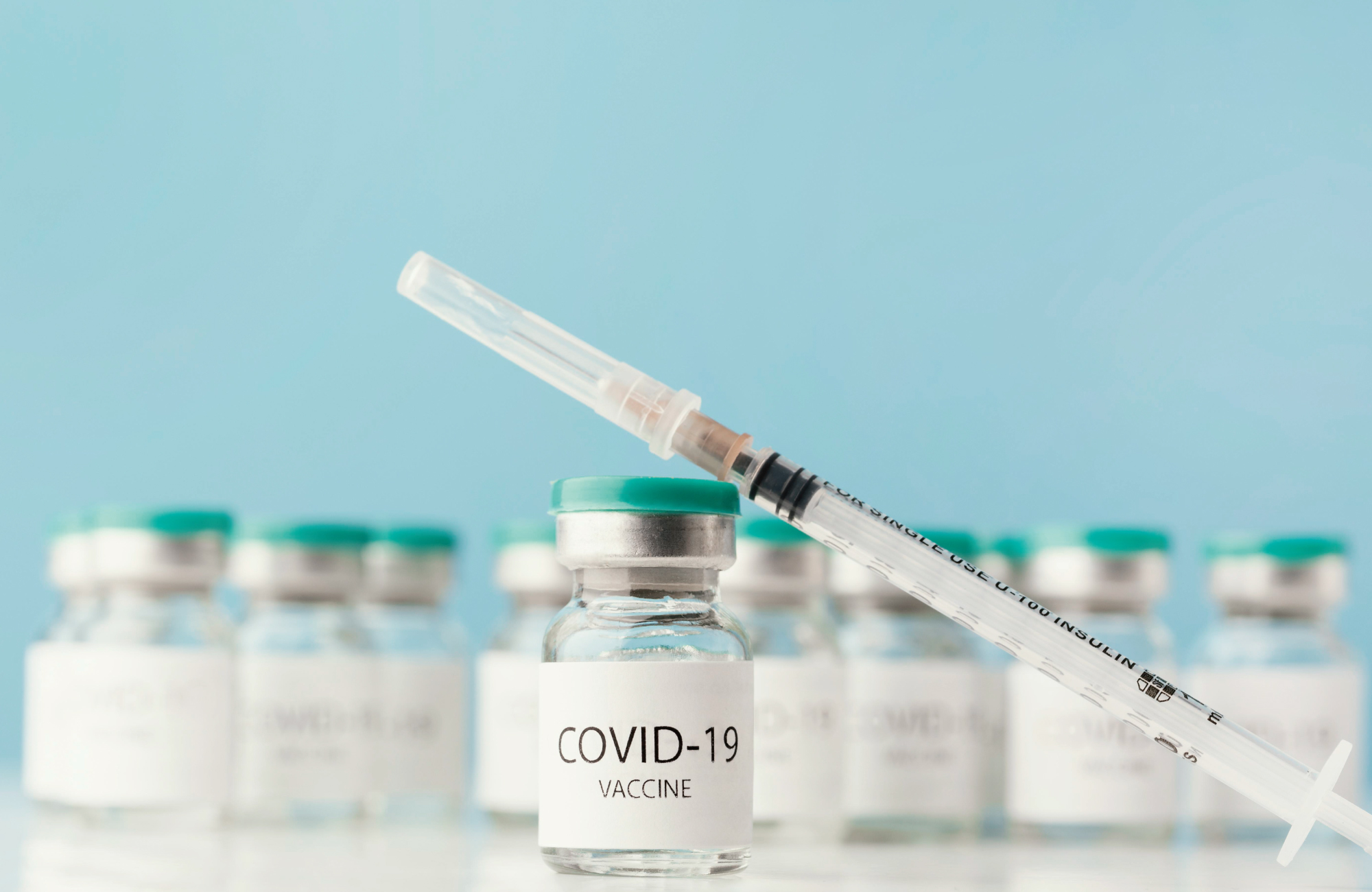
.

Significance :
COVID-19 vaccines primarily focus on preventing severe disease and death but are less
effective at onward transmission. This study demonstrates that (1) an intranasal vaccine
can effectively block the transmission of SARS-CoV-2, which is critical for controlling the
spread of the virus and achieving herd immunity and the donor and recipients of the
intranasal vaccine-boosted group had lower oral and lung viral loads (VL), which correlated
with mucosal ACE2 inhibition activity. (2) they found that compared to boosting with a
Moderna mRNA systemic vaccine, a nanoparticle intranasal COVID-19 vaccine much more
effectively prevents onward airborne transmission to naive recipient hamsters. The protection
was correlated with local mucosal antibodies.
.
Importance of lipidology :
Many vaccine adjuvants are lipid-based, such as liposomes. The exploration of lipid-based
adjuvants in nanoparticle mRNA Vaccines, their interaction with the immune system, and
how mucosal immunity might be an important key player in preventing onward viral transmission.
It also provides a potential foundation for lipid-based approaches in vaccine design and delivery
systems.
.
Connectivity to other fields :
This study identified/discovered Intranasal delivery systems that exemplify the potential of nasal
delivery systems and could be adapted for other diseases, including neurodegenerative
disorders and cancer therapies. Nanoparticles as adjuvants are the best this research aligns
with advancements in drug delivery systems for precise targeting.
-

READ MORE
Contact us!
Please leave your questions and we’ll follow up with you.
Contact Form
向您推薦


NTA
Low-Dose Mildronate-Derived Lipidoids for Efficient mRNA Vaccine Delivery with Minimal Inflammati...
Lipidome
NTA